
eLearning Blog

8 Game-Changing LMS Capabilities for Modern Learning
8 LMS Features Shaping the Future of Learning and Performance in 2026. Learning is evolving at speed as organizations look for smarter, more engaging ways to empower client-facing teams.
The LMS Designed for Brand-Aligned Learning Success
Why The Learning Lab Is the Ideal Partner for Your Training Strategy. The Learning Lab brings together expertise in scalable learning solutions with a Brand-first approach, making it uniquely suited to support modern training programs.

Advancing Training Through Innovative LMS Features
Elevating Training Excellence Through Innovative LMS Features. Training today goes beyond foundational knowledge—it requires engaging storytelling, subject-matter understanding, personalized interaction skills, and consistent Brand representation.
Must-Have eLearning Strategies
Global Consistency Meets Local Relevance in Workforce Learning. A decade ago, corporate training was often built around in-person experiences: workshops, seminars, site visits, and the emotional impact of being immersed in the work environment.

Driving Higher Adoption of eLearning and LMS Solutions
Reconnect your teams: Communicate clearly, coach consistently, and leverage an LMS that works. Low adoption of training is one of the most costly challenges an organization can face—not because creating content is difficult, but because the impact of disengagement is immediate.

Best LMS Platforms for Elearning: 8 Training Solutions to Explore
Training Innovation Unleashed: 8 LMS Platforms Leading the Way. The pace of change is faster than ever, and training strategies must keep up. With higher expectations, shorter timelines, and the need for immediate readiness, outdated approaches to elearning can no longer deliver the desired results.
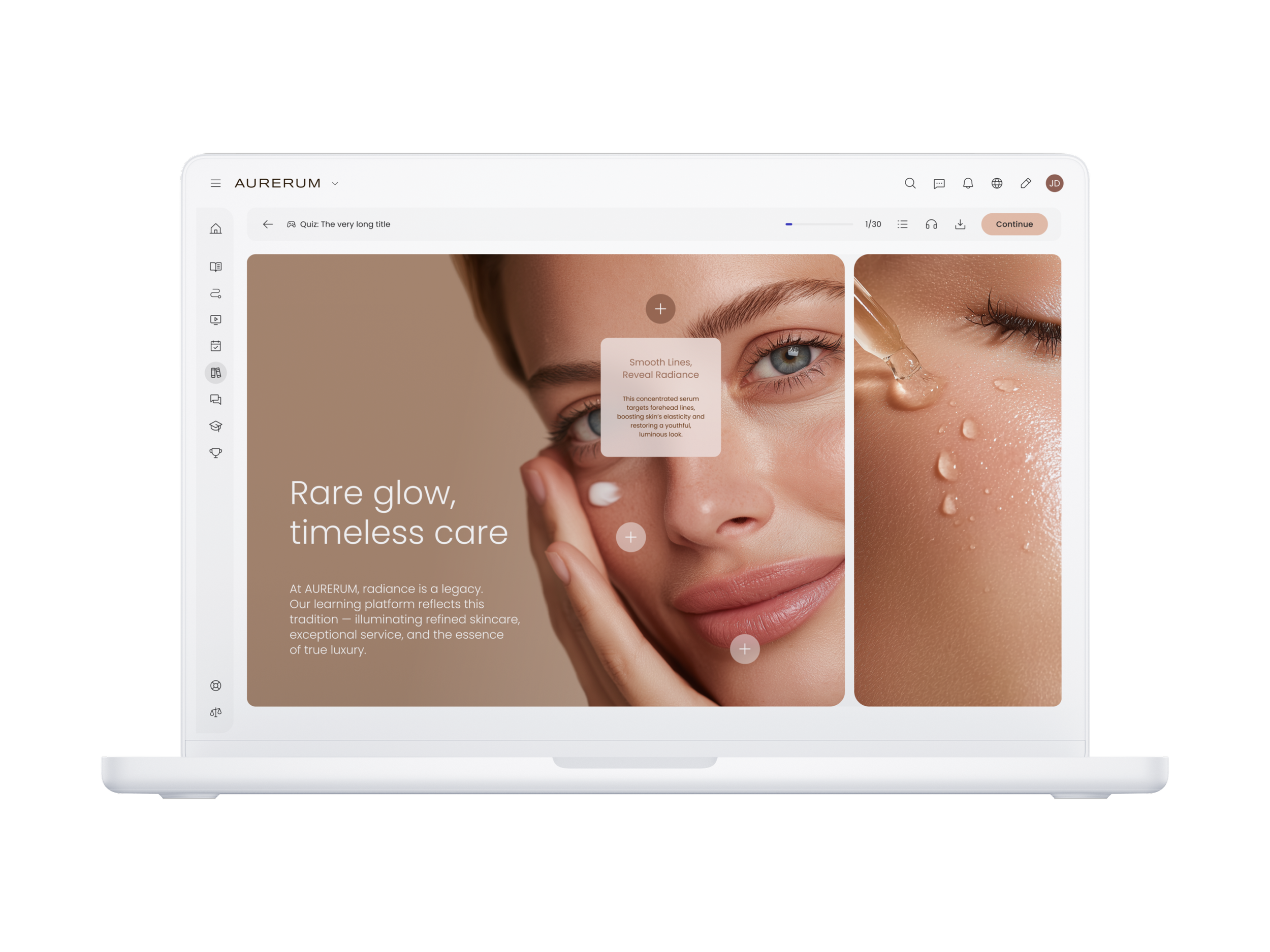
5 Tips to Develop an E Learning Strategy for a Beauty Brand
A practical framework to connect skincare and makeup expertise, consultation quality, retail excellence, brand storytelling, product launches, and omnichannel customer experience across stores and markets.

5 Game Development for an eLearning Luxury Watch Brand
How refined game mechanics can strengthen craftsmanship knowledge, movement expertise, heritage storytelling, clienteling, and after sales confidence without weakening brand prestige.
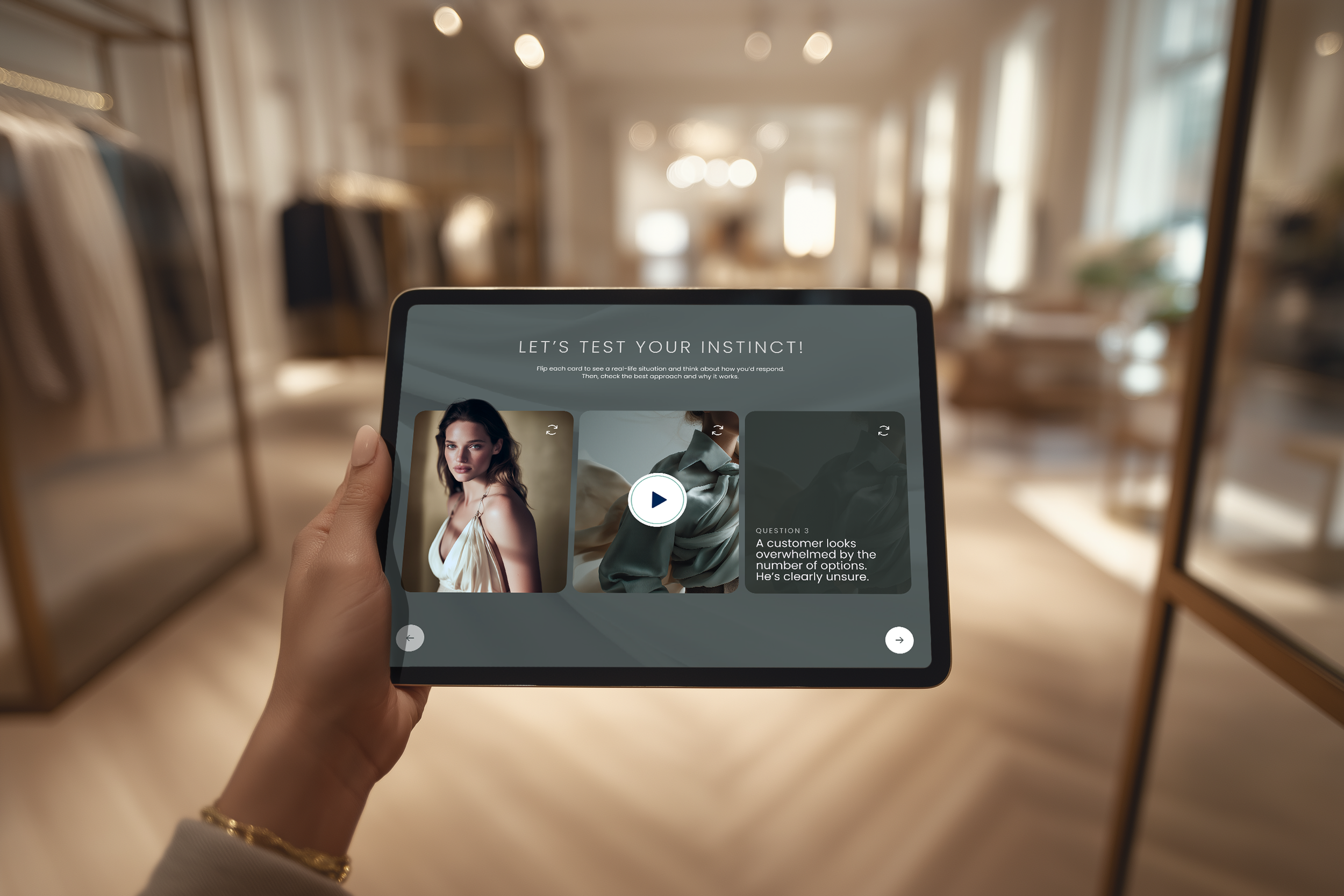
Cognitive Training for Product Knowledge
How Fashion Brands Can Improve Recall, Confidence, and Client Conversations. Why fashion retail training should move from passive reading to active memory practice?
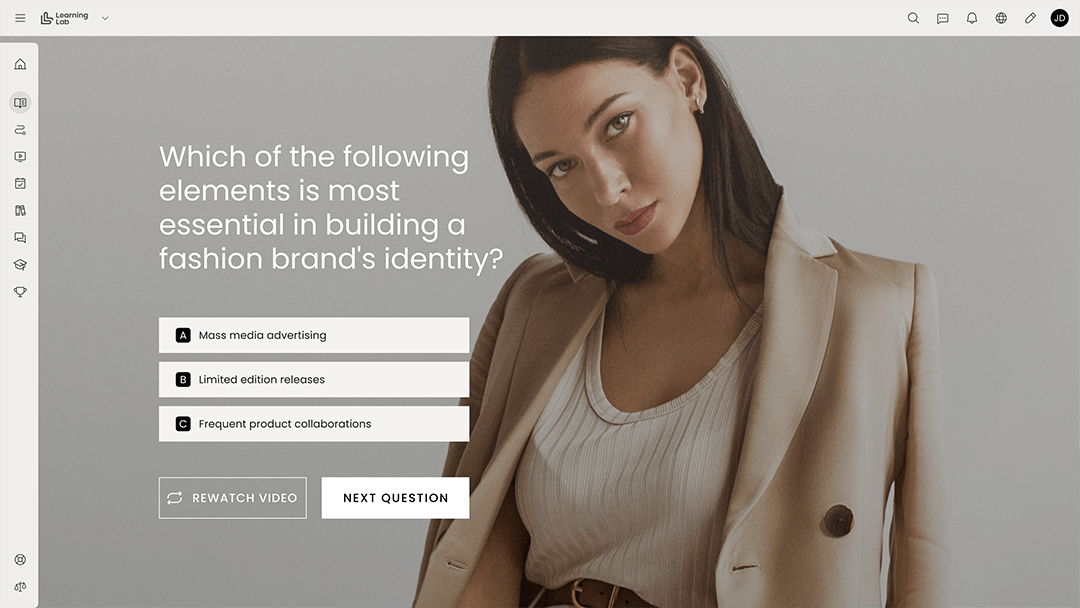
How to Train the New Generations in the Workplace
How to Train the New Generations in the Workplace. A practical learning and development guide for Gen Z teams and the emerging expectations of Gen Alpha. The conversation about workplace learning has changed. Younger employees are not asking for more content. They are asking for better learning experiences that feel useful, flexible, personal, and connected to real growth.

Language Learning Personalization, Not Just Translation
How adaptive pathways, proofreaders, and culturally aware visuals improve multilingual training, learning and development, and retail excellence. Language learning in companies is often treated like a distribution problem. A course is written once, translated into several languages, and pushed out to store teams, managers, and customer facing staff with the expectation that access alone will create capability.
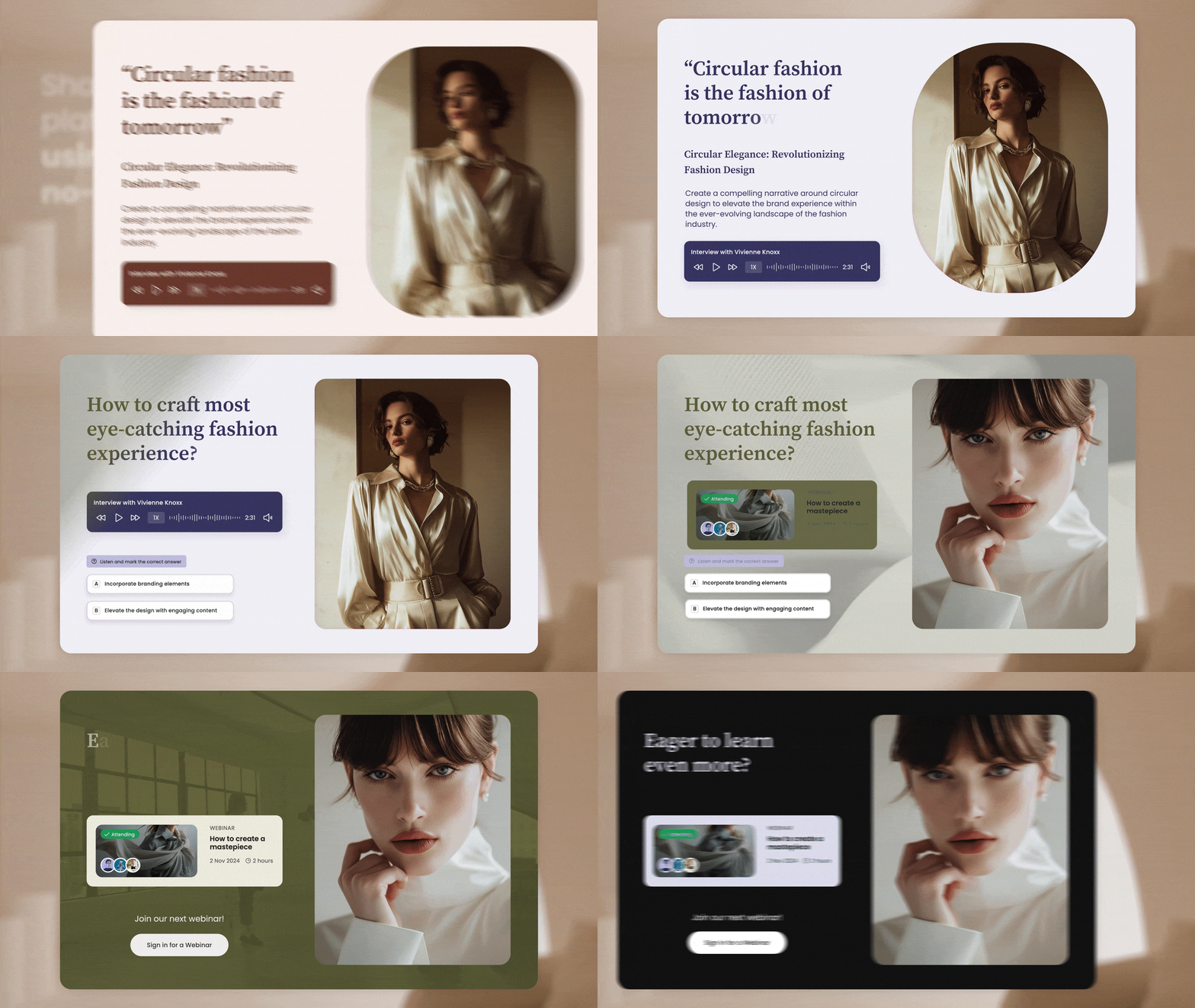
How Branded Templates Speed Up Course Development
Why templates help learning teams scale faster while protecting design quality and brand consistency. Course development often slows down for a simple reason. Teams keep rebuilding the same parts of the experience.
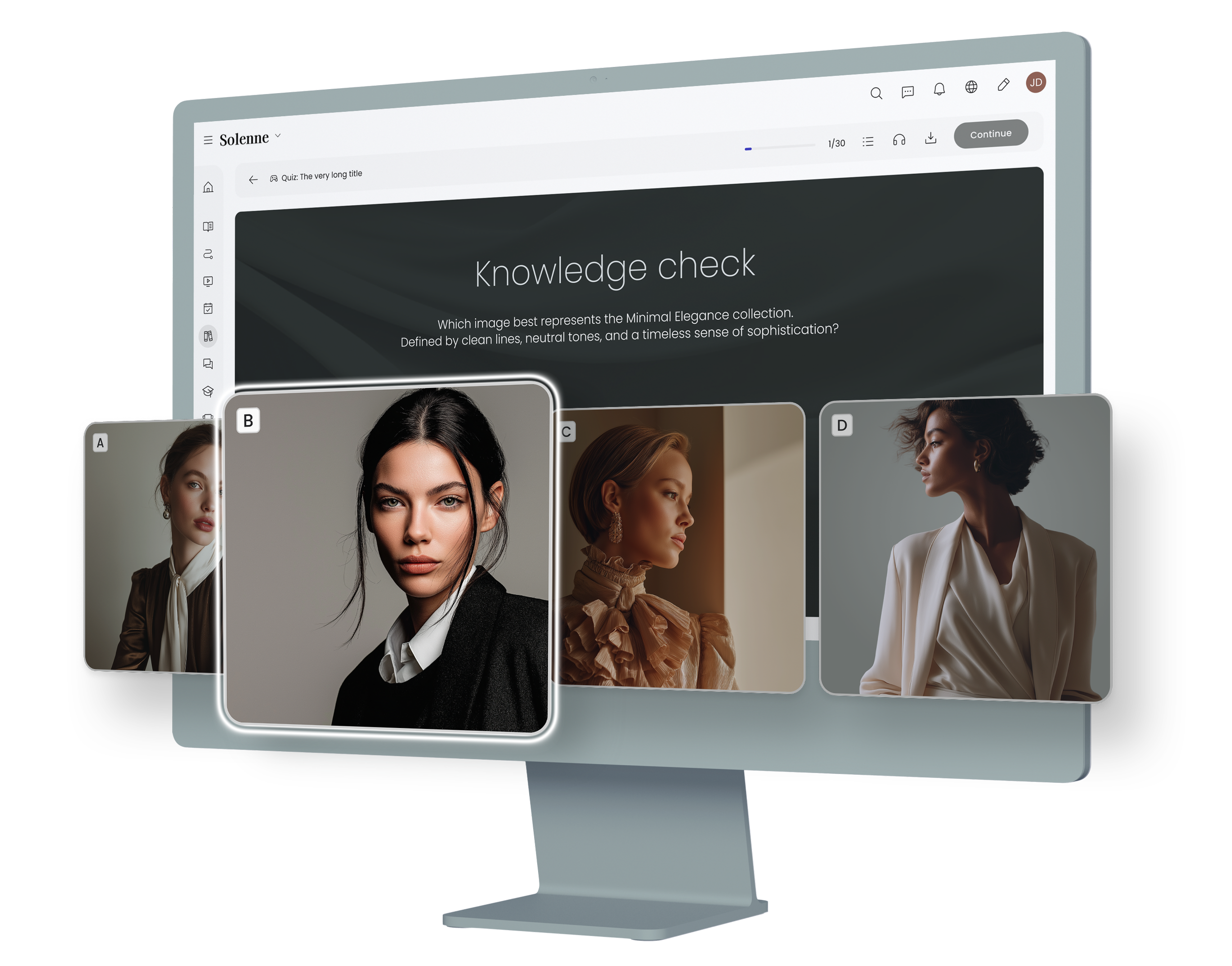
Hard Skills, Soft Skills to Enhance Store Performance
How digital training and in person development can build hard skills, soft skills, and stronger retail performance. Store learning is changing fast, and fashion brands cannot train people the way they did five years ago. Younger employees arrive with different expectations, faster learning habits, and a stronger need for development that feels useful, flexible, and personal from day one.

Transitioning Learning Experiences Across Platforms
Bridging the Adoption Gap: Learning Where It Actually Happens. In 2026, learning isn’t something you schedule—it’s something you experience as you work. Traditional LMS platforms that act as content libraries are being outpaced by systems that show up exactly when you need guidance. Imagine a Companion System that nudges you before a critical decision, guides you during a task, and offers corrective feedback immediately after a mistake.
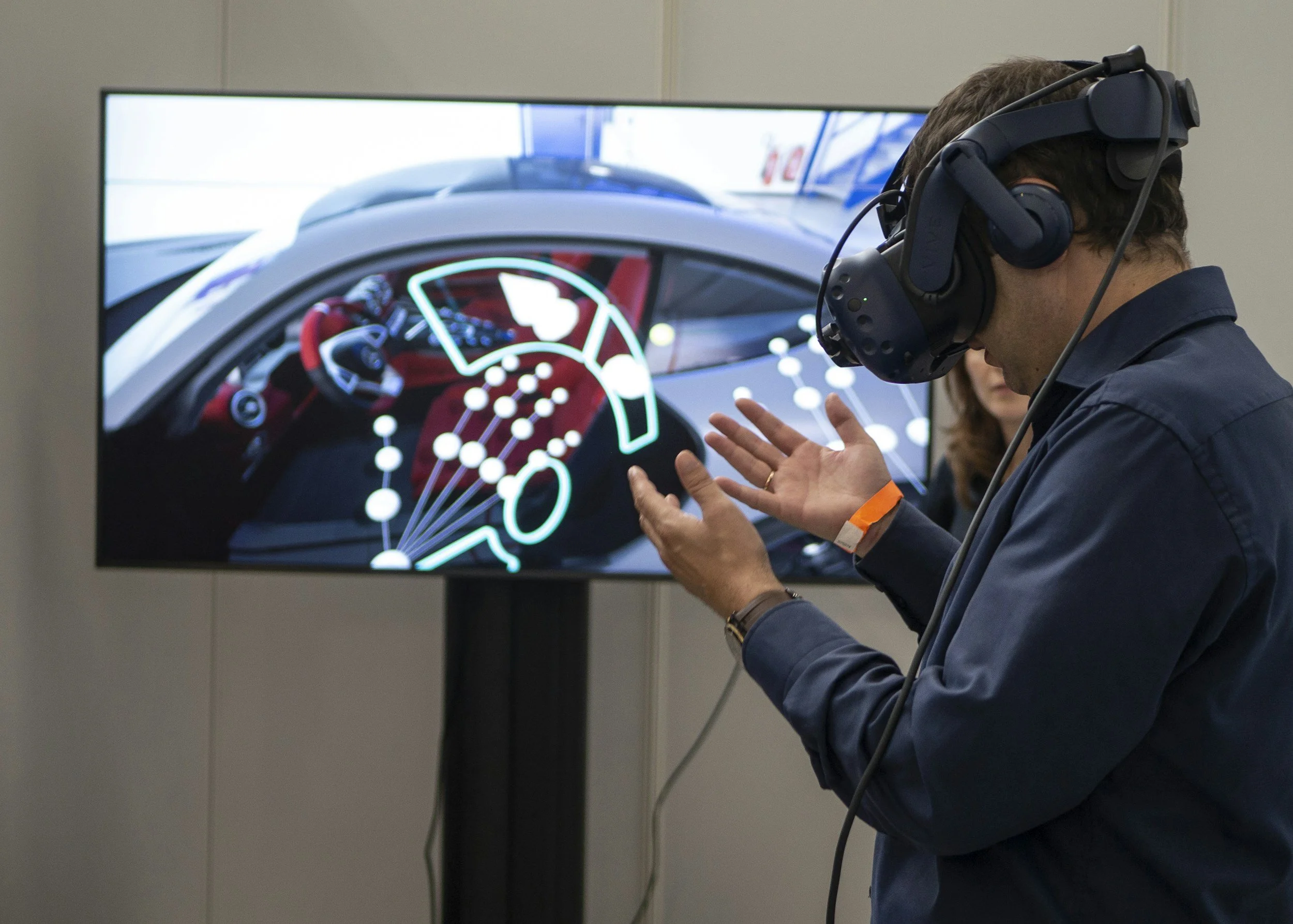
Dynamic Learning Strategy for Automotive eLearning
From “Courses” to a dynamic learning ecosystem for sales, service, and loyalty. Automotive training is entering a new phase. The shift to electric vehicles is not only changing the product. It is changing the conversation, the aftersales journey, and the skills required across the entire network. A customer does not just ask about horsepower and design.
Social Learning at Scale
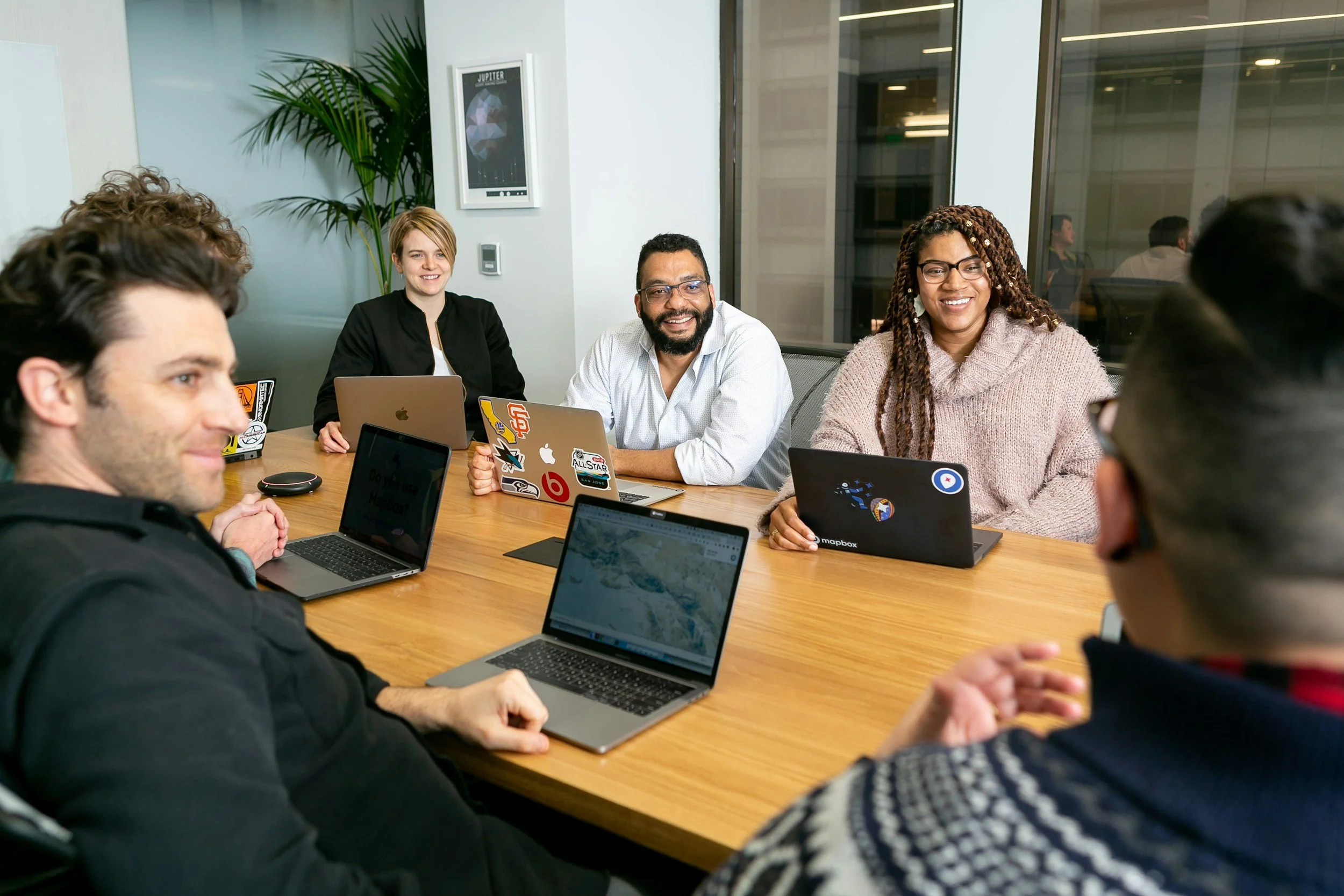
How to engage HQ, stores, wholesale, and technicians with a safe, useful, and brand aligned knowledge network. When a brand has a large population spread across HQ teams, stores, wholesale partners, and technicians, the biggest learning challenge is not content creation. It is coordination. Knowledge is everywhere, but it is fragmented.
Adopt Interactive Video in Beauty Product Training
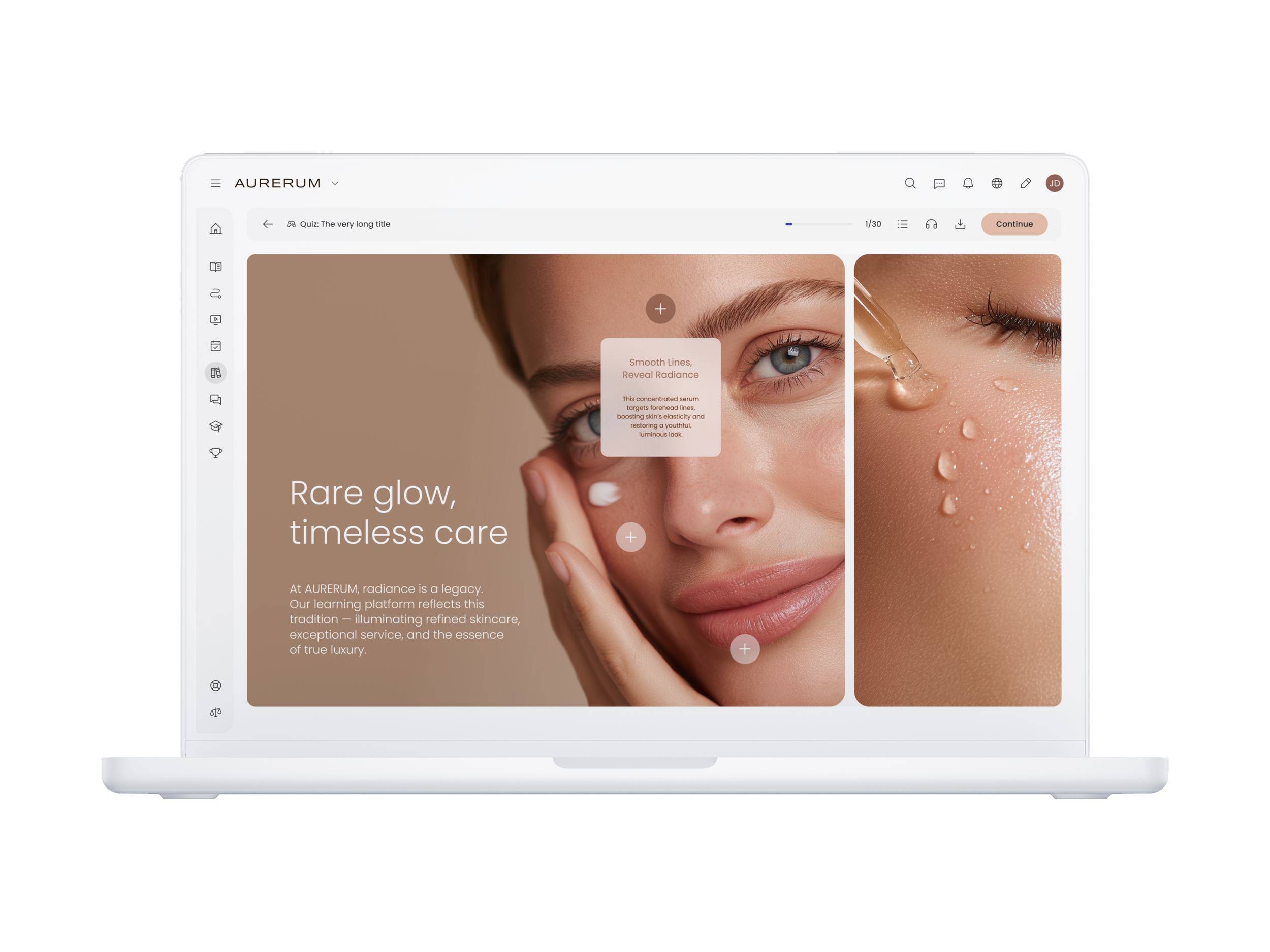
Adopt Interactive Video in Beauty Product Training. Turn product knowledge into trust, confidence, and conversion for skin care teams in 2026. In beauty, training is not just about knowing what a product is. It is about being able to explain why it matters, for whom it works, how to use it, and what to expect over time. Skin care is a trust category.
Turning Feedback Into Actionable Learning Insights
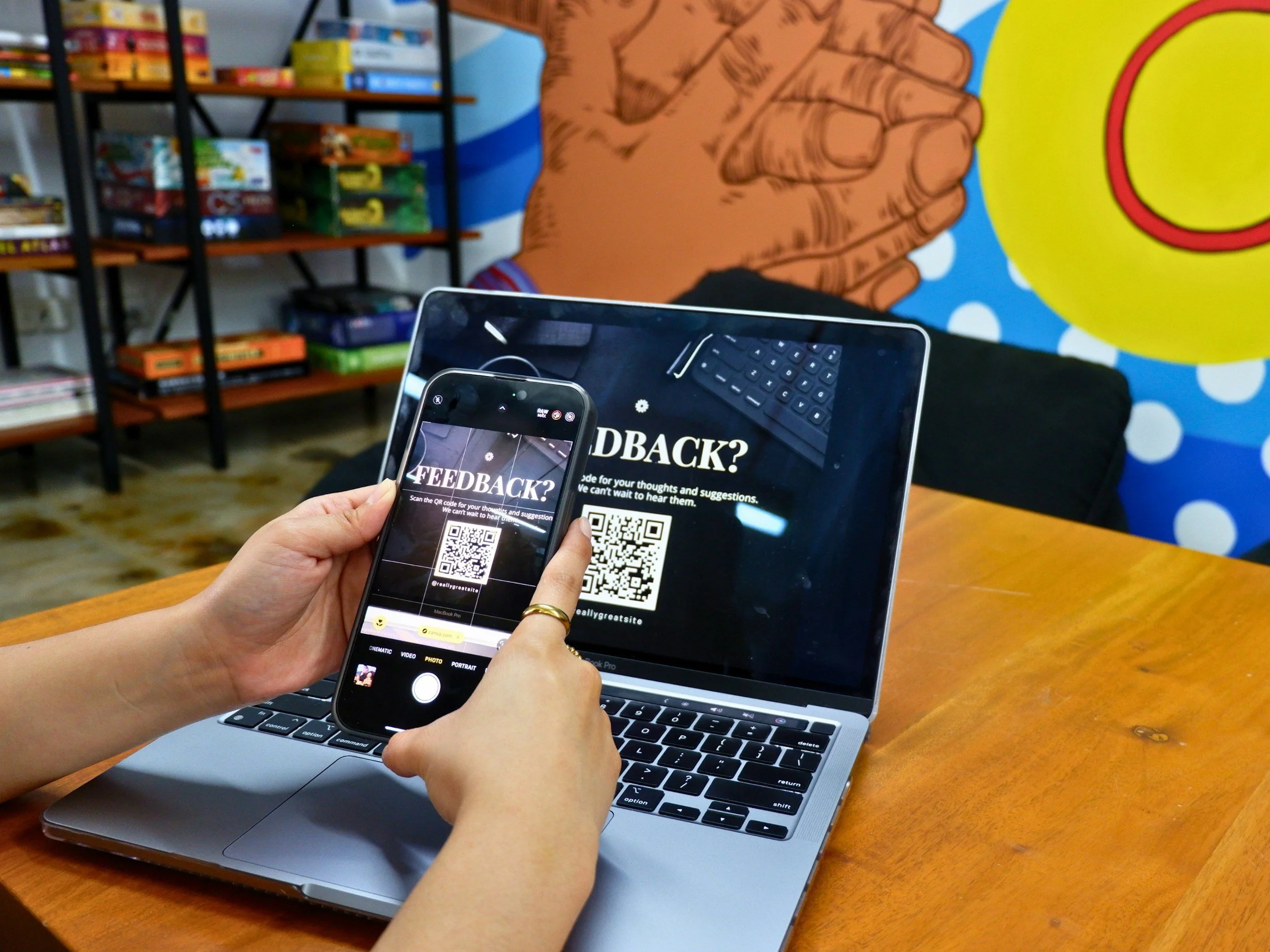
From “Concept” to “Applied”: Training That Learners Actually Use. Training doesn’t fail because people don’t care—it fails when real-world conditions make it hard to apply. Time is limited, priorities compete, and learners face situations that rarely match the “ideal” scenarios in slides or modules.

The Evolution of Workplace Learning
When the Environment Changed, Not the Method. The original method did not disappear — it adapted to a new environment. For years, organizations developed people through hands-on practice, even without formally labeling it as “learning design.”

From Training Narratives to Evidence-Based Impact
From Narrative to Proven Experience: Centering on real interactions and demonstrated results. Sharing the story behind an offering once played a central role in engagement. Today, however, impact depends on the ability to demonstrate that story in action.